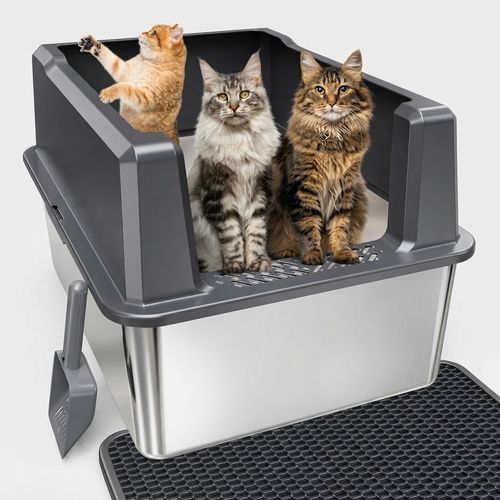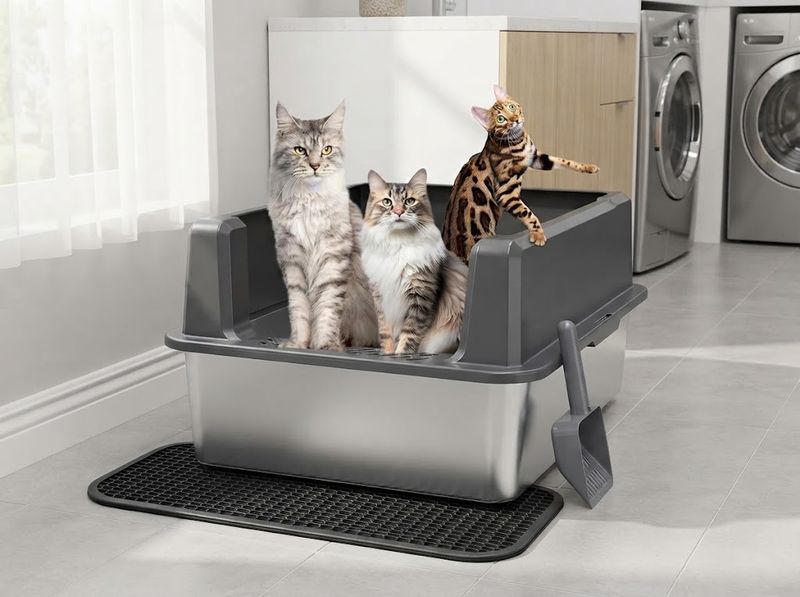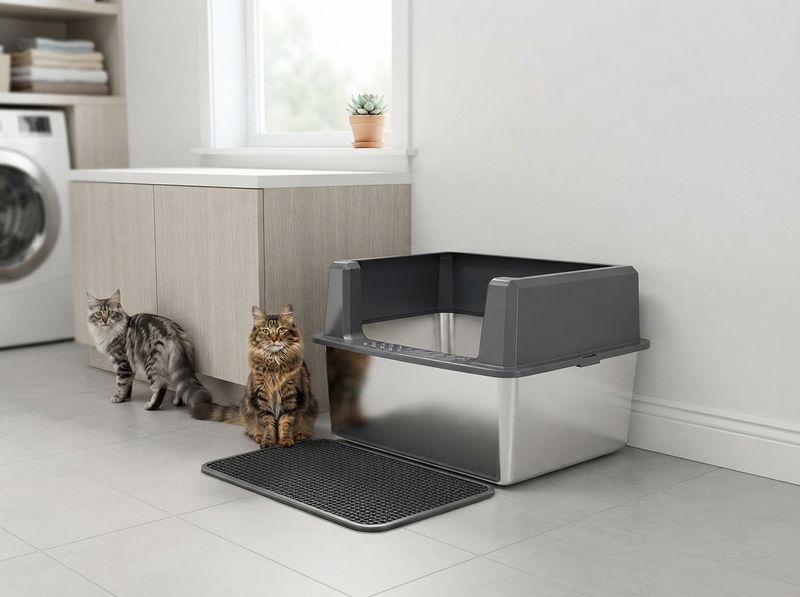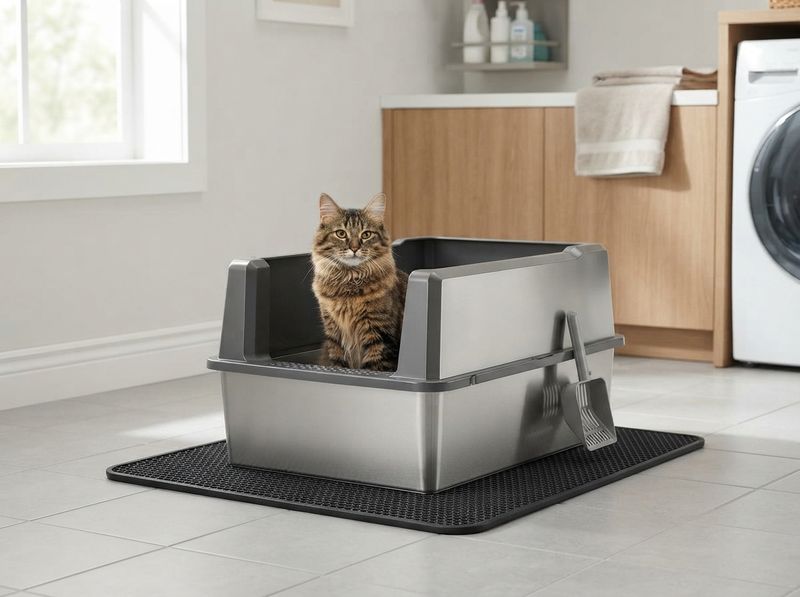
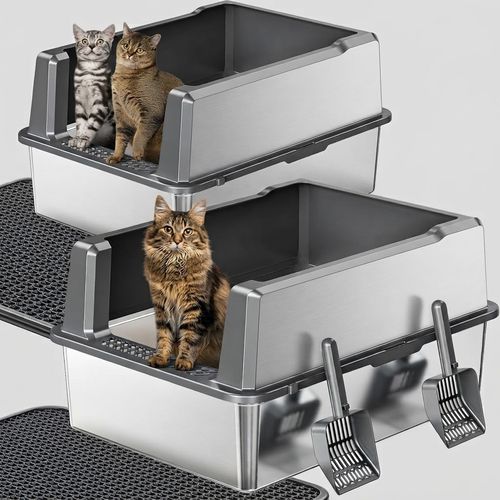
Stainless steel litter boxes for big cats

Pematar Stainless Steel Cat Litter Box: High-Sided Protection for Big Cats and Multi-Cat Homes

Plastic litter pans hold urine odor in every scoop scratch, and Pematar's non-porous stainless steel gives it nothing to soak into. No scrubbing pulls that smell back out of plastic. A rinse takes it off steel. Owners of 16-pound-plus cats rate these boxes 4.8★ across 815 verified buyers. Not every wall height in the range suits a senior cat, and the sizing guide below flags which one to skip.

Your cat squats, aims high, and the stream clears the rim of a six-inch pan onto the baseboard. Tall steel walls stop that at the metal instead of the wall behind it. You scoop into a floor nothing sticks to, tip the pan into the tub on cleaning day, and set it back down before your coffee goes cold. The mat lies flat at the doorway and the scoop is steel, not the flexing plastic one that came with your last pan.

  • Steel that never takes on the urine smell plastic locks into every scoop scratch
  • Stops a standing pee-er at the metal instead of the baseboard behind it
  • Litter mat and steel scoop already in the carton, no separate order to place
4.8★815 verified buyer reviews
3–5 yrservice life before replacement
30-dayreturns through the retailer
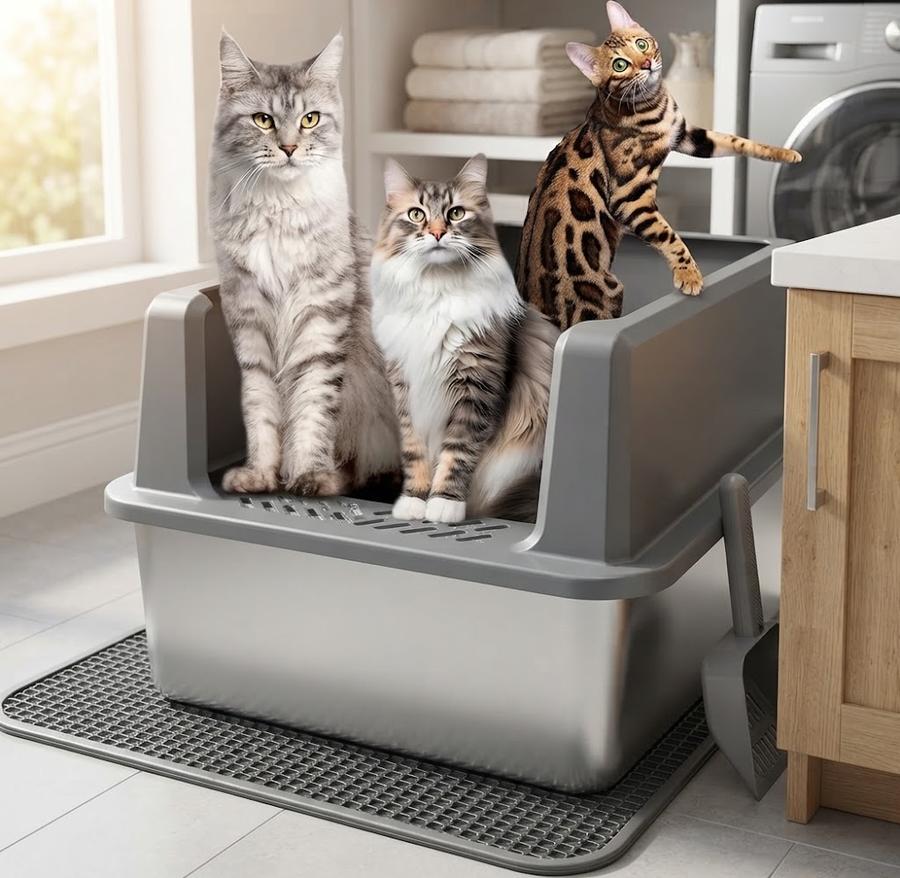
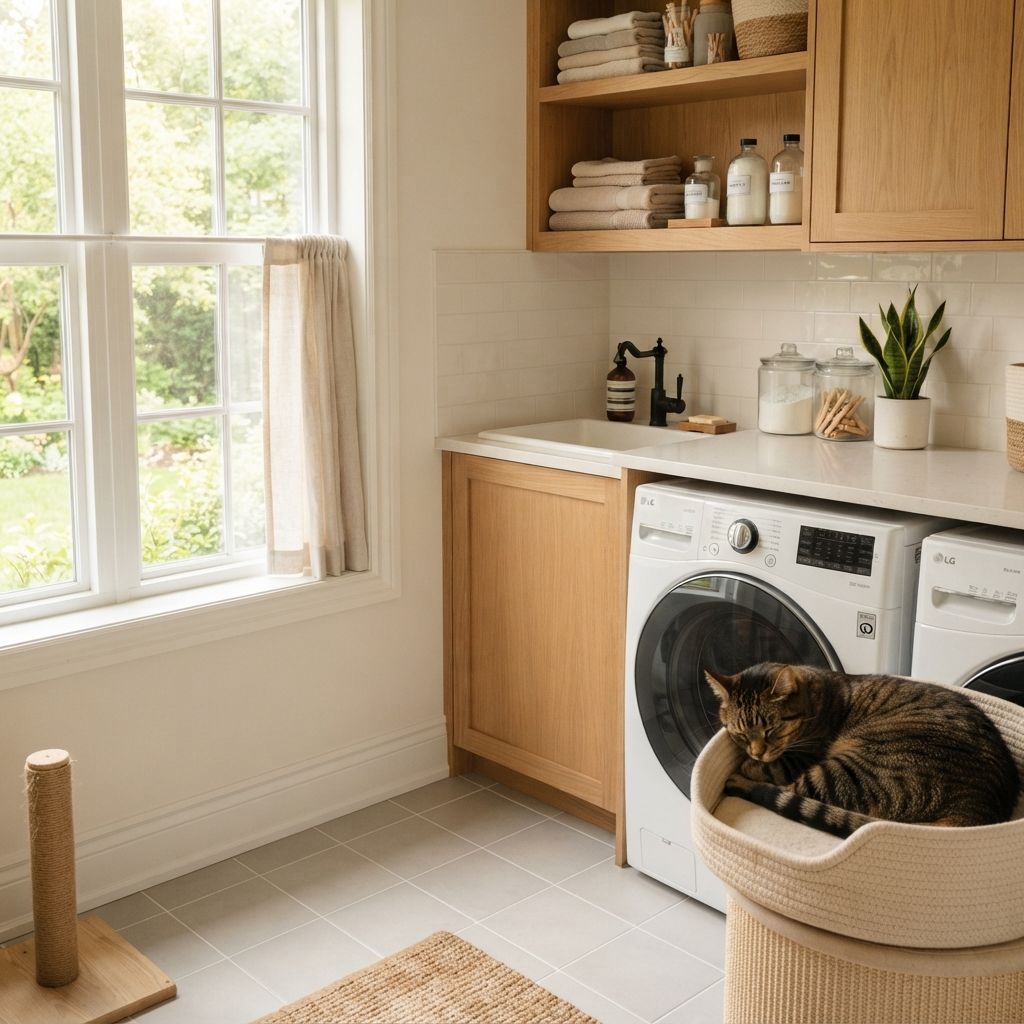
Pematar stainless steel litter box in a bright laundry room corner

Our Products

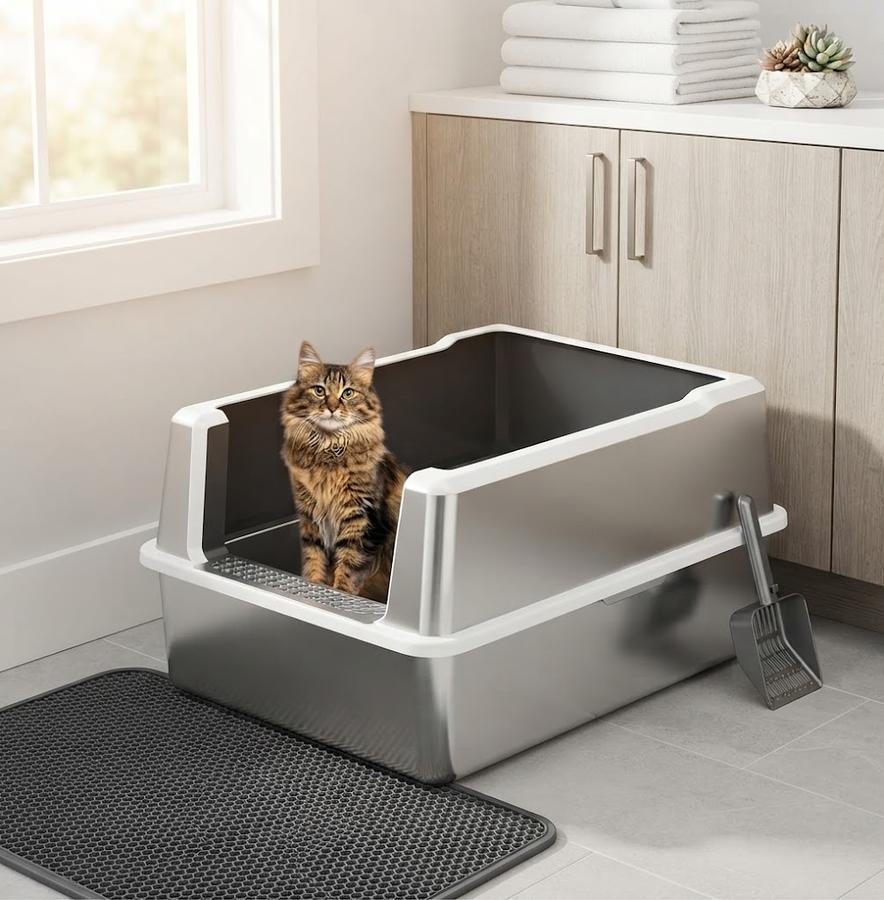
Pematar's size range covers a standard-large cat through a 20-pound Maine Coon, and interior width is the spec that separates them.

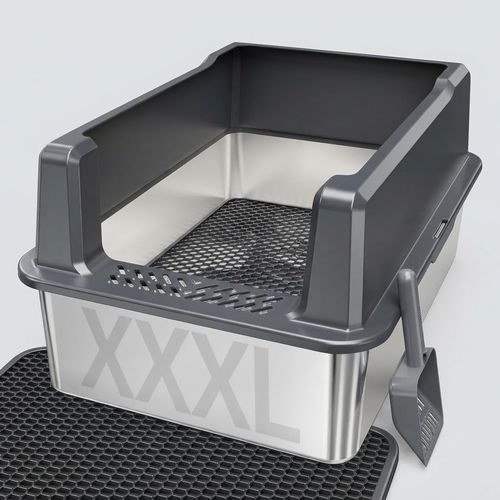
Pematar XXXL Steel Litter Box, 26 x 18 x 12 in

XXXL Steel Litter Box with Lid, 26 x 18 x 12 in

★ 4.8 (815)

Set a 16-pound cat into a 26 x 18 x 12 inch pan and he turns without pressing a shoulder into the wall. A standard-footprint box will not let him do that. The twelve-inch walls stop a standing pee-er at the metal, and the base edge laps over itself so nothing wicks out at the corners. Where a plastic pan of the same size holds urine odor in scoop scratches within a year, this floor rinses back to bare gray. Entry tier in the size range, with the mat and scoop already in the carton, and the retailer's 30-day return window covering a size swap.

  • Fits a 16-pound cat with room to pivot; 7.05 lbs empty, light enough to tip into the tub one-handed
  • Lapped base edge blocks corner seepage where flat-seam pans wick urine onto the floor
  • Retailer's 30-day return window covers a size swap if the footprint crowds the room
Check today's price
Pematar Steel Litter Box, 28 x 20 x 16 in

Tallest-Wall Steel Litter Box, 28 x 20 x 16 in

★ 4.8 (815)

A 20-pound Maine Coon turns a full circle inside this one, the largest footprint in the range at 28 x 20 x 16 inches. Height is the reason to pick it: the tallest sides in the size range catch a standing pee-er at chest height, and the lapped base edge holds whatever runs down them. Where a covered plastic box makes a big cat duck and crowd, this interior lets him pivot before he squats. Largest-footprint tier at 11.5 pounds empty, mat and scoop included, and the retailer's 30-day return window covers a downsize if it overwhelms the corner.

  • Widest interior in the size range; a verified buyer's 20-pound cat turns and digs freely inside it
  • Tallest walls in the size range catch a standing stream at the metal instead of the baseboard
  • Where a standard-footprint pan forces a big cat's back end over the rim, this keeps four paws in
Check today's price
Pematar XXL Steel Litter Box, 26 x 18 x 12 in

XXL Steel Litter Box with Lid, 26 x 18 x 12 in

★ 4.8 (815)

Same interior footprint as the entry model, same 7.05 pounds empty, positioned at the top of the range on price rather than on size. What you get is the identical build: sealed steel floor, twelve-inch walls, overlapped base, hinged lid, and the mat and scoop in the carton. Where two same-footprint pans usually differ on material or wall height, these do not. Pick this one if it is the variant in stock or the finish you want, then check today's price on both before you decide.

  • Identical footprint and 7.05 lb empty weight to the entry model, with the same wall height
  • Non-porous steel floor releases clumps whole, with no scoop-scratch field for urine to settle into
  • Shares the 4.8-star, 815-review pool with the rest of the size range
Check today's price

Why Owners Switch Off Plastic

Pematar owners switching off stained plastic name the same handful of wins, each backed by an inch, a pound, or a year on the spec sheet.

Kill the Smell Baked Into Plastic

Wipe the steel after a week of scooping and put your nose to it. No urine ghost, because there are no pores to hold one.

End the Puddle at the Baseboard

Your standing pee-er hits a chest-high wall instead of the floor, and the base edge laps over itself so the corners stay dry.

Scoop Daily Without Replacing It Yearly

Steel rated for three to five years of twice-daily scooping, tracked across verified buyer reviews from large and multi-cat homes.

Wake Up to a Pan That Still Looks New

Picture the Sunday morning you lift the lid onto bare gray metal, not the brown shadow a plastic pan wears by month three.

Pour In Whatever Litter You Already Buy

Clumping clay, tofu crumble, and pine pellets all sit on the same non-stick floor, and none of them stain it across a full season.

Send It Back Free Inside Thirty Days

Measure your laundry-room corner, set the pan down, and if the footprint fights the space, the retailer's 30-day return window covers the swap.

From Carton to First Scoop, No Tools

Pematar ships the litter mat and stainless scoop inside the same carton, so the only real decision left is which size your cat needs.

1

Match the Size to the Cat

Measure your cat nose to tail, then pick the footprint running at least 1.5 times that length.

2

Lay the Mat

Drop the included mat under the doorway so litter falls off paws before it reaches carpet.

3

Fill and Close the Lid

Pour litter two to three inches deep, then swing the hinged lid shut to hold odor near the pan.

4

Wipe, Don't Soak

Rinse weekly with hot water; nothing collects in the corners, so nothing needs an overnight soak.

The Situations the Steel Was Built Around

Pematar built each design call around a specific mess a plastic pan makes, from rust at the seam to a cat that cannot turn around inside.

Rinsed stainless litter pan corner seam with water beading

Resist Rust Without Babying It

Stainless steel holds its finish through years of urine contact, which is exactly where a painted or plated pan gives up first. Rinse it, leave it damp overnight, come back at breakfast: no orange bloom at the corner, no pitting under the base mat. The finish that ships is the finish you scoop on in year four.

  • Leave the rinsed pan damp overnight and check the corners at breakfast for orange bloom or pitting.
  • The steel resists corrosion because no paint layer or plating sits there to chip off and expose raw metal.
  • Where a plated pan flakes along the scoop line inside a year, this surface stays the color it shipped in.
See the 26-inch entry pan
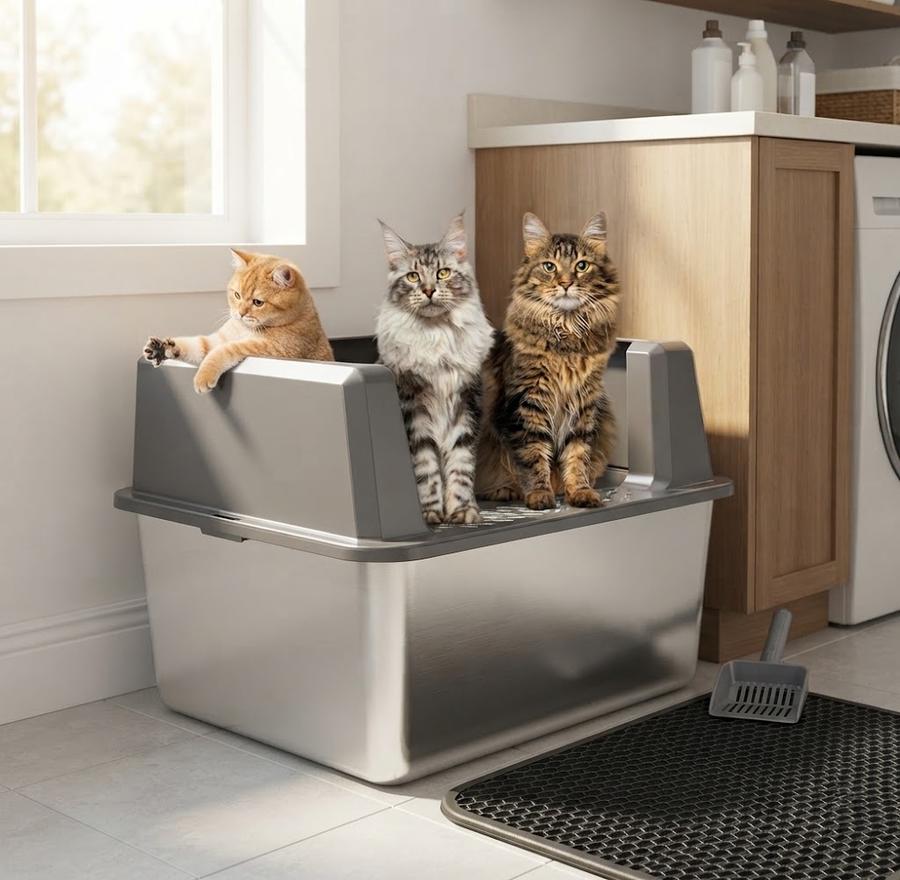
Large long-haired cat standing inside a tall stainless litter box

Room for a 20-Lb Cat and the Kitten Too

A 20-pound Maine Coon needs interior width near eighteen inches just to turn without pressing a shoulder into a wall. The largest footprint in this range clears that with room left over. A kitten and a fifteen-year-old share the same pan without either one stepping in what the other left.

  • Set a 20-pound cat inside and watch him complete a full turn without a shoulder touching a wall.
  • Interior width matters more than length because a cat pivots in place before squatting, not end to end.
  • Where a standard-footprint pan forces a big cat to hang his back end over the rim, this keeps four paws in.
See the widest interior
Stainless scoop lifting an intact litter clump from a bare metal pan floor

Any Litter You Already Buy, Nothing Sticks

Stainless steel gives clumping clay no grip, which is why a wet clump lifts off the floor of the pan in one piece instead of tearing. Plastic develops a micro-scratch field within months of scooping, and clay dries into those grooves like grout. Tofu crumble and pine pellets behave the same way here: they sit on the surface, never in it.

  • Drag the scoop across the floor of the pan and lift a wet clump whole, no chiseling at the corner.
  • Clay bonds to plastic because scoop scratches give it grooves to dry into; a smooth steel sheet offers none.
  • Where a scratched plastic pan needs a putty knife by month six, this one needs one pass of the scoop.
Compare the same-footprint pans
Stainless litter pan rinsed under a hot tap, water sheeting off gray metal

Wipe It Down Instead of Soaking It

A full deep clean here means hot water and 30 seconds, because the surface is a sealed sheet with nothing for pigment or bacteria to lodge in. Plastic pans stain brown along the urine line and keep that shadow after bleach. Tip this one into the tub, rinse, and the metal comes back the same gray it shipped as, month after month.

  • Run a soft brush along the lapped edge on rinse day; steel wool and abrasive pads dull the finish that releases clumps.
  • Reach for mild dish soap or an enzyme cleaner on the monthly deep clean, and skip bleach, whose smell lingers inside a closed pan.
  • Swap the litter out entirely every two to four weeks; missed crumbs, not the pan, are what build a background smell.
Pick a size to compare specs

The Numbers Other Large-Cat Guides Skip

Pematar publishes the inch, pound, and year figures that most large-cat buying guides leave at vague talk of roominess and durability.

12-16 in tall sides

A cat that pees standing at the wall sends the stream into steel running 12 to 16 inches up, not into the carpet beside a low-wall pan.

Most large-cat guides say high sides without ever putting an inch number on how high.

Manufacturer dimension spec

3-5 year service life

Scoop twice a day for a season and a plastic pan already stains through; this steel base holds its finish three to five years before replacement.

Buying guides promise multi-year durability without naming the year range they mean.

Manufacturer spec, echoed in multi-year owner reports

18-20 in interior width

A 20-pound Maine Coon needs about eighteen inches of interior width to pivot in place, and the width range here covers that without a custom build.

Guides quote the 1.5x body-length rule but rarely match it to a real pan's interior width.

Product dimensions plus published large-cat sizing guidance

7.05-11.5 lbs empty

Lift the entry pan at 7.05 pounds or the largest at 11.5 pounds, tip it into the bathtub, and rinse it out without a second pair of hands.

No competing page mentions what the pan weighs when you actually carry it to the tub.

Manufacturer weight spec

20 lb cat, verified fit

A verified buyer's 20-pound cat turns and digs freely inside this pan, room a standard-footprint box never gave that same frame.

Generic claims about fitting large cats almost never name a cat weight anyone measured.

Verified buyer review

4.8★ from 815 buyers

Owners running these steel pans daily for months hold them at 4.8 stars, a rating few no-name steel pans sustain once the review count climbs.

Few competing steel pans carry a public review count anywhere near this range.

815 verified buyer reviews

Pematar steel litter box set against a laundry room wall

The Pan You Buy After the Third Stained Plastic One

Pematar builds one thing: enclosed stainless steel litter boxes sized for cats that outgrew the standard pan. The size range runs from a 26 x 18 x 12 inch footprint up to the tallest-sided model Pematar builds. One of those sizes costs more than a sibling with the identical footprint, and the product notes below say plainly which one.

Plastic is porous. Every scoop drag and every claw stroke opens a scratch, urine settles in, and by about month twelve your pan smells even on the day you cleaned it. Steel has nowhere to put that. You wipe it, you rinse it, and the smell leaves with the water.

One verified buyer running a three-cat household found all three cats using the same pan, no stains after cleaning, no odor left in the room. Another measured a 20-pound cat into it and found room to spare, where standard-footprint pans had failed him for years.

Listed since March 2025 and rated 4.8 stars across 815 verified buyer reviews. If the footprint fights your space, the retailer's 30-day return window covers sending it back.

Read the full story

What Owners Say After Months of Daily Scooping

Verified buyers running these pans daily describe the same wins: no odor left in the room, no stain on the floor of the pan, no puddle at the baseboard.

★★★★★ Verified Purchase

Finding a litter box large enough for multiple cats is difficult, but this size gives all three of my cats plenty of room. The high sides keep litter and messes contained, and unlike plastic it does not absorb odors. No stains are left behind after cleaning. Everything wipes down quickly and looks almost brand new every time.

Marcus T.

XXXL Steel Litter Box with Lid

★★★★★ Verified Purchase

Nobody likes scooping cat litter, but with this stainless steel box nothing sticks to the bottom or the sides. The extra large pan is great for my two feline children, with plenty of room to scratch around without splattering litter across the floor. It comes with a mat that filters litter off their paws, and a scoop too.

Priya S.

XXL Steel Litter Box with Lid

★★★★☆ Verified Purchase

Really like the size, but it could be a problem depending on where you want to store it. I had to rearrange my laundry room to fit it. Love the high sides. They keep the cats from peeing over an edge. My cats still kick some litter out, but nowhere near as bad as the boxes I used before this one.

Ellen K.

Tallest-Wall Steel Litter Box

★★★★★ Verified Purchase

This pan is longer and wider than most. It easily fits my biggest cat. Cleaning takes seconds and it stops litter flying everywhere when the cats cover up. It also comes with a rubberized pad that wipes clean. Very easy to put together, and my two cats took to it immediately with no coaxing at all.

Tom H.

Tallest-Wall Steel Litter Box

★★★★★ Verified Purchase

This is my favorite litter box I have used to this day. I even own a robot box, and I like this one more. I still scoop daily, but I would rather do that than deal with litter build up and the smell from other boxes. So easy to clean, and nothing sticks to the floor of the pan.

Jess M.

XXXL Steel Litter Box with Lid

★★★★☆ Verified Purchase

It came with two dents in the corners, pushed in during transit. I am not fussed, since the dents hide under litter and do not affect function. Otherwise it is a perfect jumbo size, light enough to carry, and I love that the guard around the rim is flush and overhangs on the inside. No urine seeps through.

Carol W.

XXL Steel Litter Box with Lid

★★★★★ Verified Purchase

In a five-cat household, a good litter box is the center of their universe. Our indoor-only cats all love it. We bought a pair and will replace their old boxes with more of these over time. It is easy for every cat to use, from our 2-year-old to our 15-year-old. The high sides protect the wall from high pee-ers.

Ray & Linda P.

Tallest-Wall Steel Litter Box

★★★★★ Verified Purchase

Hides the cat smell so much better than plastic did. Setup took a minute and cleaning takes less. I have a very large cat and I went through many boxes trying to find one that fit him well enough. This is the only one that is actually big enough for him and still easy to wipe out on a weeknight.

Devon R.

XXXL Steel Litter Box with Lid

Steel Pan Versus the Plastic One You're Replacing

Pematar's spec column runs against a typical low-wall plastic pan rather than a named brand, because plastic pans vary too much to pin down.

Criterion Pematar Steel Pan Standard Plastic Litter Box
MaterialStainless steel, non-porousPorous injection-molded plastic
Side height12 to 16 inches with an overlapping seamTypically 6 to 8 inches, open seams
Odor absorptionSurface does not absorb; rinses back to neutralAbsorbs and retains odor as scratches accumulate
Leak preventionLapped base edge blocks corner seepageOpen corner seams, prone to wicking onto the floor
Service lifeThree to five years before replacementOften replaced within a year once staining sets in
Buyer rating4.8 stars across 815 verified reviewsVaries by seller, often thin or unrated

Day One to Year Four on the Same Pan

Pematar owners describe the same arc: the first scoop, the stain that never shows up, and the fourth year the pan is still in service.

  1. Day 1

    Unpack the pan, lay the mat at the doorway, pour litter two inches deep, and scoop that evening. If the footprint fights your corner, the retailer's 30-day return window covers sending it straight back.

  2. Week 1

    Your standing pee-er hits the wall instead of the baseboard, and the corners underneath stay dry.

  3. Month 1

    Lift the lid on a Sunday and the floor of the pan is still bare gray, with no brown shadow along the old fill line.

  4. Year 1+

    Scoop twice a day for four years and the finish holds; owners report replacing plastic pans three times over the same stretch.

Ready for Day 1? Pick a size to compare specs side by side.

What Actually Goes Wrong With the Pan You Have Now

Pematar buyers arrive with the same complaints, and nearly all of them trace back to porous plastic or a six-inch wall.

The Smell That Meets You at the Door

Kill the odor at its source and you stop fighting the whole room. Plastic traps urine inside scoop scratches, and no scrub reaches into a scratch. Steel has no scratch field to fill, so the smell rinses out with the water.

Owners describe plastic pans smelling within a year of daily use, even on cleaning day.

A Cat Too Big to Turn Around

Stop watching him hang his back end over the rim. A 16-pound cat needs interior width near eighteen inches to pivot in place, and a standard-footprint pan gives him nowhere near that.

Owners of 16-pound-plus cats consistently report squatting over the edge of standard-size boxes.

Urine Pooling Along the Baseboard

End the mopping. A cat that pees standing clears a six-inch rim easily, and open corner seams wick the rest onto the floor. Tall walls plus a lapped base edge keep both inside.

High pee-ers are the single most cited reason owners move to a taller-walled pan.

A Pan That Never Looks Clean Again

Toss the stained one. That brown shadow along the fill line is pigment sunk into plastic pores, and bleach lightens it without removing it. Steel takes no stain at all, because there is nothing for pigment to sink into.

Buyers report bare metal after cleaning where plastic held a permanent discoloration.

Paying for a Footprint That Doesn't Fit

Strip away the guesswork before you order: measure the corner where the pan will live, then measure your cat nose to tail. Pematar publishes no brand warranty, so the honest backstop is the retailer's standard 30-day return window, which covers a size swap if the footprint turns out wrong.

No brand warranty appears in current product data, so the return window is the real protection.

Thirty-day returns through the retailer. Pick a size to compare specs.

Who This Pan Actually Fits

Pematar's steel pan fits a narrow set of households well, and the disqualifiers at the bottom matter more than the endorsements.

The Maine Coon Owner Whose Cat Can't Turn Around in a Standard Box

Your cat runs long rather than fat, and every pan you have bought makes him choose between turning and squatting. Interior width ends that, not overall length, which is the spec most product pages bury.

The Five-Cat Household Down to One Box That's Never Actually Clean

Five cats hitting one pan means the smell never fully clears between scoops. A steel floor rinses back to neutral in a way your scratched plastic pan stopped doing months ago.

The Owner Whose Cat Pees Standing Up and Soaks the Wall

He backs up, lifts, and clears the rim of anything under a foot tall. Walls he cannot clear, plus a base that overlaps at the corners, keep the stream and the seepage both inside.

The Skeptic Weighing an Automated Robot Box Against a Well-Built Manual One

You priced the robot and flinched. A manual steel pan sits well below robot pricing, needs no firmware, and asks two minutes of scooping a day in exchange.

Not the right pan if

  • Not the right fit if you want a fully automated self-cleaning system. This is a manual pan you scoop yourself, with no motor, no sensor, and no app behind it.
  • Skip this if your cat has arthritis or a mobility limit and needs a sub-eight-inch entry. Walls this tall assume a cat that can still step up on its own.

Questions Owners Ask Before Ordering

Sizing, odor, cleaning, and the honest limits of a tall steel pan, answered without the sales gloss.

What makes a stainless steel litter box different from a plastic one?

Steel is non-porous, so urine cannot settle into the surface the way it settles into plastic. Plastic develops a scratch field from scooping and claws within months, and those scratches hold bacteria and pigment that scrubbing never reaches. Steel keeps the same smooth floor it shipped with, which is why a rinse returns it to neutral rather than to a faded version of last month's smell.

Who is the Pematar litter box actually built for?

Households with a cat past roughly 16 pounds, or with more than two cats sharing one pan, get the most out of it. The interior is sized so a large cat can pivot in place before squatting instead of hanging his back end over the rim. Owners of a single standard-size cat will find it works fine, but they are paying for room they will not use.

Does the box come with a lid?

A hinged lid ships with every size, and it encloses the litter area to hold odor closer to the pan. The lid lifts on its hinge for scooping, so daily cleaning never means pulling it off and finding somewhere to set it down. Some owners run the pan open-topped instead, which is fine; the walls do most of the containment work either way.

What comes in the carton besides the box?

A litter mat and a stainless steel scoop arrive in the same carton, so nothing about the first evening waits on a second order. The mat sits under the doorway and pulls litter off paws before it reaches carpet. Owners rate the scoop more highly than the mat; several describe the mat as adequate rather than excellent and swap it for a heavier trap mat later.

How long has this brand been selling litter boxes?

The first models went live in March 2025, with the largest footprint following in March 2026. That makes this a relatively new brand rather than a decades-old one, and the track record so far comes from buyer feedback rather than years on shelves. The current mark sits at 4.8 stars across 815 verified buyers, concentrated among large-cat and multi-cat households.

Are stainless steel litter boxes better than plastic?

On odor and lifespan, steel wins clearly: it does not absorb urine, does not stain, and holds up three to five years against a plastic pan often replaced within one. Plastic wins on upfront cost and on weight when full. The honest trade is money now against replacement frequency later, plus the fact that a steel pan rings louder when a cat digs.

Do cats actually like stainless steel boxes?

Most cats adjust within a day or two, and owners frequently report a picky cat taking to the steel pan faster than expected. The two things cats notice are the sound of claws on metal and the temperature of a bare floor in a cold room. A normal litter bed covers both, muffling the noise and keeping paws off the metal entirely.

Is there a warranty on this litter box?

Current product data shows no brand warranty, and inventing one would not help you. What does apply is the retailer's standard 30-day return window, which covers a return or a size swap if the footprint turns out wrong for your space. For a pan with no motor, no seal, and no electronics, the failure modes a warranty normally covers barely exist.

Can I return it if my cat refuses to use it?

The retailer's 30-day window is the mechanism, and it is worth using deliberately. Set the new pan beside the old one rather than replacing it outright, keep both filled for a week, and most cats migrate on their own. If yours has not switched by day twenty, you still have room to send it back rather than storing an unused pan in the garage.

Are the 815 reviews spread across every size?

The rating and review count report identically across every size, which means they draw from one shared pool rather than accumulating separately per pan. Read that as 815 reviews of the whole size range, not of a single footprint. It also means feedback on the largest and newest footprint is thinner than the headline number suggests.

How big should a litter box be for a large cat?

Measure your cat nose to tail base, then multiply by 1.5. That result is your minimum interior length. For most cats that size it lands between 24 and 28 inches long. Interior width should reach at least eighteen inches, so he can turn in place rather than back out. Width is the spec most buyers skip, and it decides comfort.

What size footprints are available?

The range runs from a 26 by 18 by 12 inch entry footprint with twelve-inch walls. At the top sits 28 by 20 by 16 inches, with the tallest walls in the size range. A third pan shares the entry footprint exactly, same interior and same 7.05 pound empty weight, and sits higher in price without adding any room.

Still deciding? Compare the entry and largest footprints side by side.